
What is reverse logistics?
“Both customer returns and the recovery of goods, packaging, and containers require a process as efficient as direct shipments.”
Circular Economy
We are at a stage of business development where concern for the optimization and sustainability of resources used across all areas of production, storage, and distribution is leading those responsible for the supply chain to define more efficient management models.
In this regard, strategies are being implemented to reduce the economic and environmental impact of using non-biodegradable, non-recoverable, or non-reusable materials associated with the packaging and transport of goods.
In addition to generating an undesirable waste of cardboard, plastics, straps, etc. for receiving companies, these elements represent a cost that, in some cases, can be optimized.
At LISDATA, we propose software solutions to our clients that enable them to effectively track stock levels, usage, and recovery of these elements.
We help define optimal packaging and container management models, taking into account factors such as:
- Type of goods.
- Standardization of formats.
- Type of distribution circuit.
- Costs of recovery, reconditioning, and reuse.
- Outsourcing costs.
- Potential involvement of other agents in the supply chain. Pool system.
- Required logistics infrastructure.
- Traceability system.
Effective management of reverse logistics for packaging and containers can result in savings of over 50% compared to conventional single-use management.
Returns of Goods: Effective Inventory Management
Another aspect analyzed in Reverse Logistics is the process of returning goods, whether due to service errors, commercial reasons related to seasonal sales, or expiration and obsolescence.
In these cases, the costs related to transport management are usually passed on to the service provider company.
In addition, we must take into account the reprocessing costs of this merchandise upon receipt at origin, as well as the possibility of product loss itself or the inability to restore it for consumption. This is an opportunity cost that companies must weigh when defining the tools that control the quality of the order preparation process.
Having reliable information on consumption behavior and the responsiveness of the production system or suppliers significantly reduces the errors made in these processes for companies, and consequently, reduces unforeseen and unplanned returns.
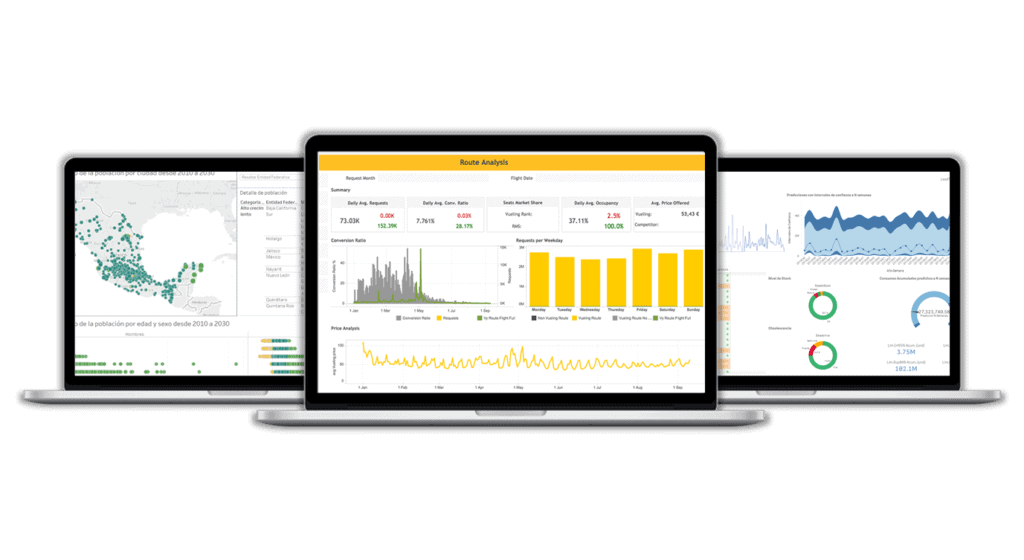
Our demand forecasting tools and stock management dashboards help prevent stockouts and generate alerts in situations where there is a risk of shortages.
Properly sizing stock levels and quantifying the cost components of Reverse Logistics help companies define appropriate corrective strategies.
Share on Facebook
Share on Google
Share on Twitter
Share on LinkedIn
Share on Pinterest
Share by print
Share by email