
How artificial intelligence is improving agriculture in developing countries
Artificial intelligence is contributing to the modernization of the agricultural sector in countries with less developed economies, improving the living conditions of billions of people. Thanks to this new technology, farmers can manage their resources more effectively, reduce the impact of pests and weather events, and achieve better harvests.
What is artificial intelligence applied to agriculture?
According to the United Nations, agriculture is the main source of income for 2.5 billion people worldwide and accounts for 30% of GDP and 65% of jobs in developing countries. For this reason, modernizing this sector is vital to reducing poverty and inequality between regions. Among the various technological solutions available today, those based on artificial intelligence (AI) are emerging as indispensable allies for improving productivity, optimizing resources, and promoting sustainable development.
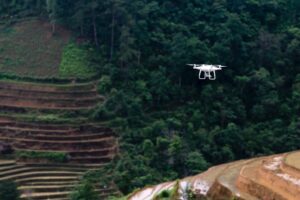
One of the biggest challenges facing countries with less advanced economies, which in many cases are located in the regions of the world most exposed to climate change, is efficiency in agricultural production. AI, through the implementation of advanced data analysis systems, helps enable more accurate and effective decision-making. Thanks to this technology, farmers can obtain detailed information about soil conditions, climate, and other relevant factors, allowing them to adjust their farming practices as needed.
More accurate weather forecasts
Accurate weather forecasting is crucial to successful harvests. AI, with its machine learning algorithms, can analyze historical and current climate patterns to predict future conditions with greater accuracy. This not only helps farmers plan their activities, but also allows them to take preventive measures against potential natural disasters, thereby minimizing risks and economic losses.
Better water resource management
Efficient water management is another critical aspect of agriculture, especially in regions where water resources are limited and droughts and floods are more frequent. AI enables the implementation of smart irrigation systems that adapt to the specific needs of each crop. Sensors connected to the network collect real-time data on soil moisture and atmospheric conditions, thereby optimizing water use and preventing waste.
More effective pest control
Technology also plays a vital role in pest and disease control. AI-based systems can identify patterns that indicate the presence of pests or diseases before they are visible to the naked eye. This allows for early, targeted intervention, reducing the need to use chemicals that are harmful to crops and thus promoting more sustainable farming practices.
A more efficient supply chain
In addition, AI facilitates the logistics and distribution of agricultural products. Route optimization algorithms can improve delivery efficiency, reducing costs and transport time. This is especially beneficial in hard-to-reach rural areas, where traditional logistics planning is often inefficient.
Toward a more sustainable future for everyone
Ultimately, artificial intelligence has emerged as a transformative tool in agriculture in developing countries. From informed decision-making to efficient resource management and improved profitability, AI offers innovative solutions that can make a real difference in food security and sustainable development in these regions. The collaboration between technology and agriculture not only drives economic growth but also paves the way toward a more resilient and prosperous agricultural future.
With the support of the Kit Digital program, integrating artificial intelligence into your business is easier and more accessible than ever. Don’t miss the opportunity to boost your growth and automation. Take advantage of the Kit Digital program to optimize your business with artificial intelligence.