
Big Data for Preventive and Predictive Maintenance
Every production process, especially those involving machinery, is associated with maintenance. By ensuring routine maintenance for equipment—such as oil changes, lubrication, and parts replacement—we guarantee the correct operation of the machines during long work shifts, avoiding unexpected, unscheduled downtime due to equipment wear.
When purchasing industrial equipment, the manufacturer usually provides information regarding the frequency of preventive maintenance to ensure its correct operation throughout its useful life.
However, many of these results are obtained using interpolation from laboratory tests. Setting the ideal time for preventive maintenance is a complex process. Furthermore, due to the particularities of each company, the intensive use of certain features more favorable to the production process, or defects caused by accidents, it becomes necessary to adapt maintenance to the specific needs of the equipment.
This new estimation is carried out by the responsible personnel based on their experience, subsequently validating it through trial and error.
Listening to equipment reduces unexpected downtime
It is estimated that around 30% of preventive maintenance is unnecessary, leading to interventions on equipment that can affect its subsequent performance—either because they require dismantling parts or due to the need to completely stop an entire process—directly impacting production costs and the environment when dealing with polluting products such as oils or coolants.
Despite all efforts, situations always arise that force the regular operation of equipment to stop. These types of unexpected stops can be attributed to unknown mechanical defects which, until the cause or set of causes preventing continuation is found, force companies and employees to suffer high levels of stress, at best, for short periods of time.
How to calculate the perfect preventive maintenance?
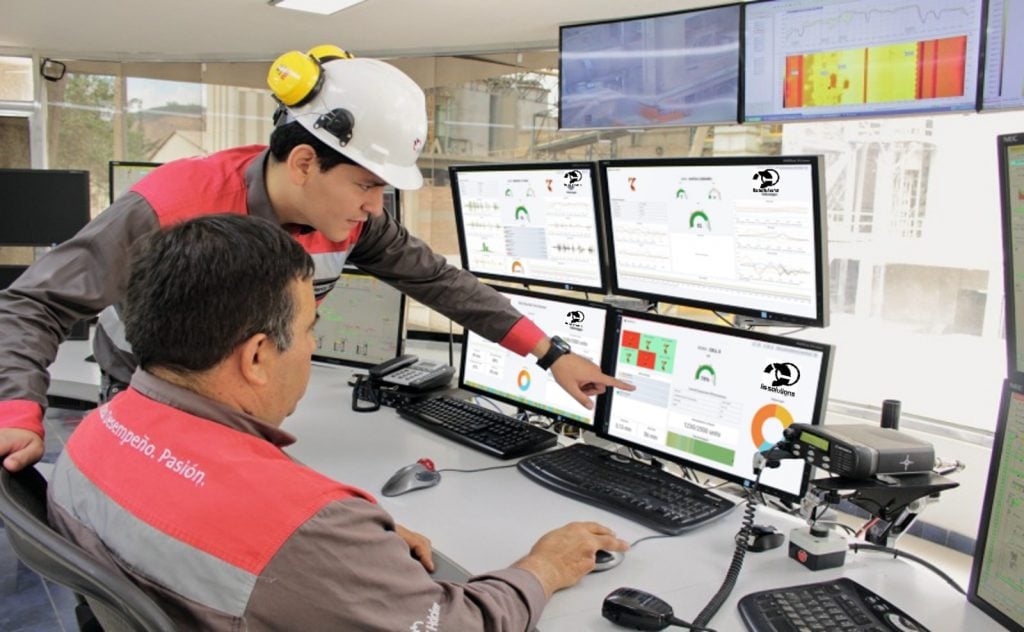
At LISDATA, we provide systems that ensure effective and real preventive maintenance based on data, utilizing the best technologies and predictive maintenance tools. Downtime, overexertion suffered during anomalous processes, weather conditions, and other aspects are taken into account to provide, based on historical data, an indicator of the current state of equipment components. This information is visualized through interactive dashboards that show the real state of the equipment, allowing for the establishment of an efficient preventive maintenance plan tailored to the actual needs of the machinery.
But following this, a question arises: What is the difference between preventive and predictive maintenance based on Big Data?
Differences between predictive and preventive maintenance
It is true that conceptually they are very similar; both are based on equipment information to define the best time to perform a change, significantly reducing unnecessary processes and unexpected downtime. However, there is something that distinguishes them, making it advisable to work with both simultaneously, and that is the analysis of the interconnection between the data provided by the equipment.
On one hand, the use of Big Data in preventive maintenance processes is very useful for defining the optimal time to change components or elements that must be replaced sooner or later, such as oils or coolants. Based on actual hours of use captured via IoT devices for shop floor data collection, as well as the usage received during those hours, we can determine the exact state of degradation of the components, allowing maintenance teams to define the ideal time for their replacement.
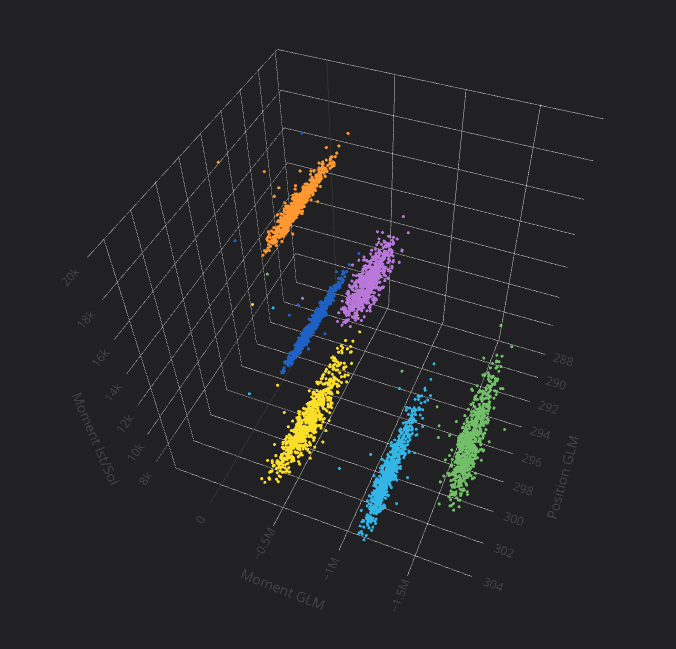
What predictive maintenance consists of: its objective is the supervision and assurance of the correct functioning of components that do not have a scheduled replacement process, such as bearings, pneumatic valves, or grippers, thereby avoiding unexpected downtime in advance. Furthermore, predictive maintenance involves a very important factor: the correlation of variables. With this, the degradation occurring in the processes can be determined and quantified.
For hardware predictive maintenance, for example, based on machine learning, another type of information is required—more complex than that used in preventive maintenance and not directly related to cause and effect. The same correlation of variables can lead to one type of failure or another in different cases, depending on the situation of each individual variable.
For these types of calculations based on mathematical models, at LISDATA, we have an advanced analytics department combined with the best predictive maintenance technologies, allowing us to provide clients with a global view of their data. We understand your processes and how the interaction of your equipment’s information can provide added value to your value chain.